
filmKULTUR
In 2022, drehübung wien founded the filmKULTUR event series together with the Austrian Film Professionals Association, the Vienna Association for the Film and Music Industry, and the Austrian Film Academy.
With filmKULTUR 2026, titled “Film in Transition: Who Creates Value, Who Benefits?”, we turn our attention to new production realities in the age of streaming and artificial intelligence. Two practice-oriented workshops on equal treatment and feedback culture, along with an Impulse Forum featuring experts from film production, technology, academia and professional associations, create space for exchange, context and practical insights for film professionals.
vermittelt fachspezifische Expertise zu Arbeitsbedingungen, Zusammenarbeit und Branchentrends und eröffnet einen fundierten Dialog über faire, zukunftsorientierte und nachhaltige Formen des Filmemachens.
versteht sich als Kollektiv aus Vertreter:innen verschiedener Organisationen und Initiativen der österreichischen Filmbranche. Bestehende Programme und bewährte Strukturen können als Teil der Veranstaltung integriert werden.
lädt alle Gewerke der Filmschaffenden zu einem gemeinsamen Denkprozess ein, setzt mit praxisnahen Formaten Impulse und schafft die Grundlage für eine wiederkehrende Veranstaltungsreihe.
filmKULTUR

Film in Transition: Who Creates Value, Who Benefits?
New Production Realities in the Age of Streaming and AI
15 October 2026, from 2:00 pm
Straße der Wiener Wirtschaft 1 / 1020 Wien
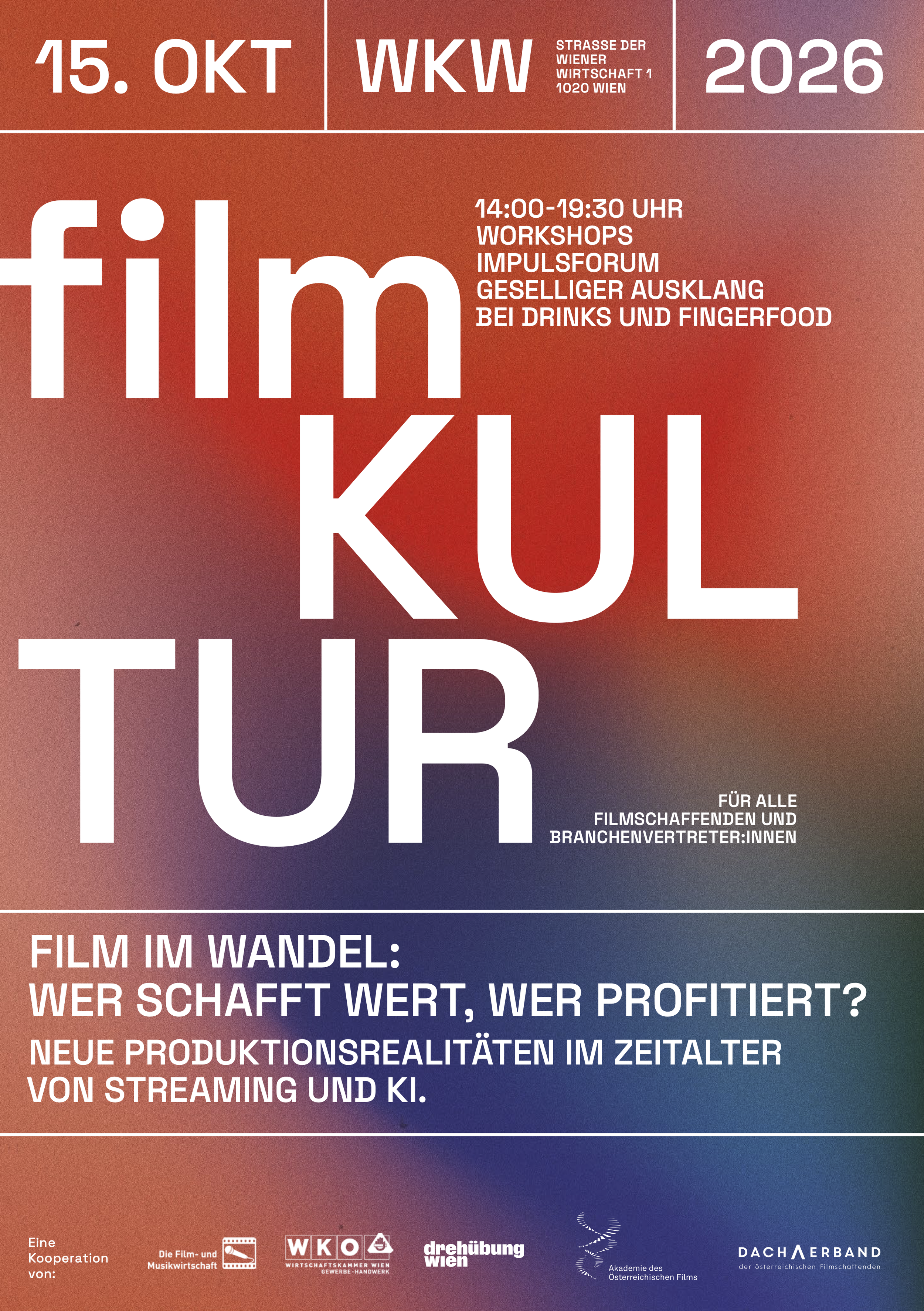
filmKULTUR 2026 widmet sich den aktuellen Veränderungen der Filmbranche: praxisnah, zukunftsorientiert und im direkten Austausch mit Expert:innen.
Zwei Workshops bieten konkrete Werkzeuge für den Arbeitsalltag zu den Themen Leadership und Feedbackkultur, bevor das abendliche Impulsforum aktuelle Entwicklungen rund um Streaming, Künstliche Intelligenz, Wertschöpfung und die Zukunft der Filmproduktion in den Fokus rückt.
Gemeinsam mit Expert:innen aus Filmproduktion, Technologie und Interessenvertretung diskutieren wir, wie sich Produktionsbedingungen, Finanzierung und Verwertung verändern und welche Chancen sich daraus für Filmschaffende ergeben.
Programm.
2026.
Workshop 1
14:00-17:00
Leadership Training
Equal Treatment Act in the Film Industry
Managers have a particular responsibility for creating a respectful and discrimination-free working environment. This practical training provides an introduction to the key provisions of the Equal Treatment Act and the rights and responsibilities of managers in the film and television industry.
Using practical case studies, participants will explore how to respond to discrimination, harassment, sexual harassment and abuse of power. The training provides guidance in identifying legally relevant situations, responding to reports and handling responsibilities as a manager.
Participation fee: EUR 20
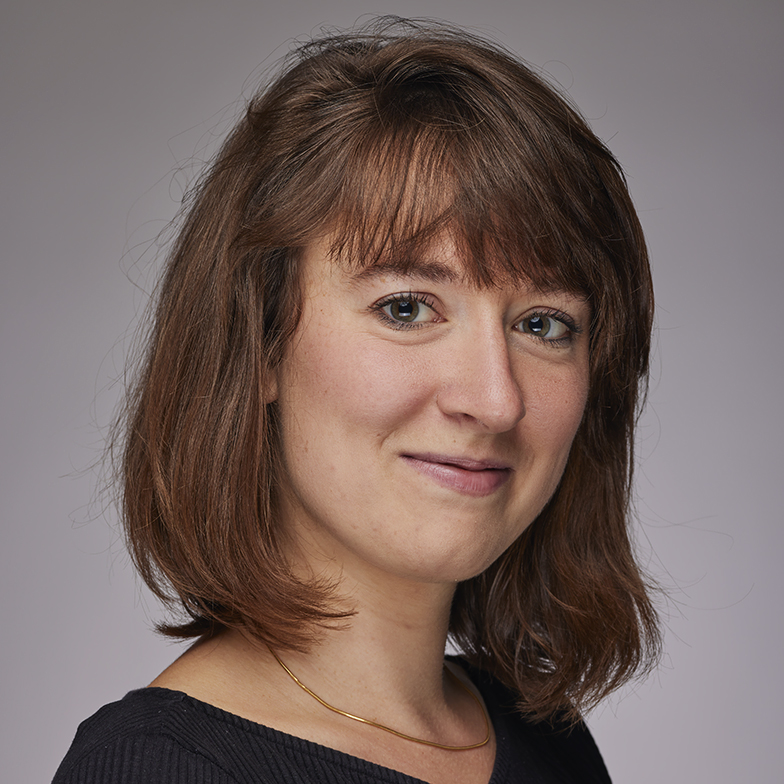
Clara Schlee
is a lawyer specialising in equal treatment and anti-discrimination law. She advises people affected by discrimination and harassment and supports companies and organisations in developing structures that effectively prevent discrimination. Drawing on her experience in legal counselling, she also works to promote the further development of effective legal standards. As a speaker, she brings practical insights to public discussions on the importance of protection against discrimination. In the cultural sector, she serves as an advisory board member of the film and television ombuds office #we_do!.
Foto: Fotostudio Meidling
Workshop 2
14:00-17:00
Feedback on Set
How to Build Strong Collaboration in Film Teams!
Film is made by teams. Different departments, hierarchies and ways of working come together within a short period of time, often under considerable time pressure. That is why the way feedback is given and received can have a major impact on collaboration, trust and the quality of the work.
This practical workshop is open to film professionals from all departments, levels of experience and areas of responsibility. Together with the participants, we will look at concrete situations from everyday working life in the film industry.
The workshop explores questions such as: How can constructive feedback work even under pressure? How can I address difficult issues respectfully? How can I receive feedback without becoming defensive? And how can we create a feedback culture that strengthens collaboration, addresses conflicts early and supports creative processes?
The workshop combines short theoretical inputs with practical case studies drawn from the participants’ own experiences. The focus is on working together on real-life situations from the film industry and developing tools that can be applied directly in everyday professional practice.
Participation fee: EUR 20
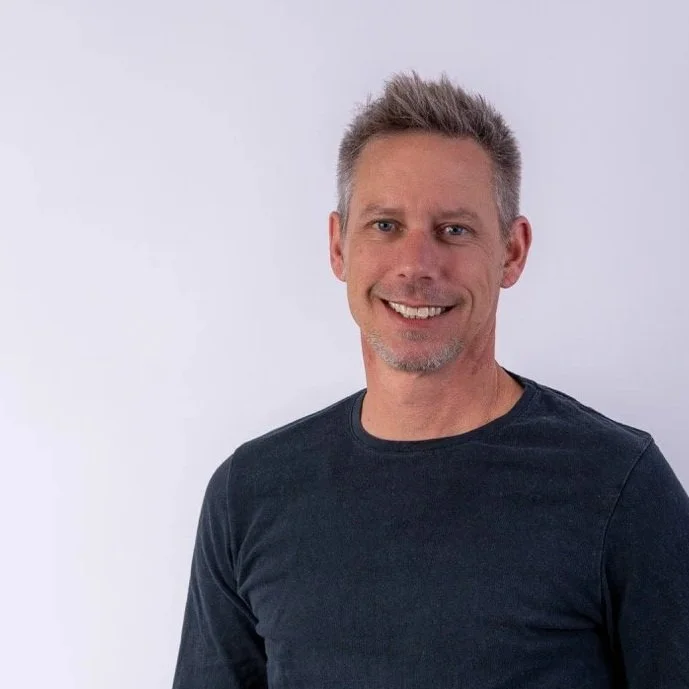
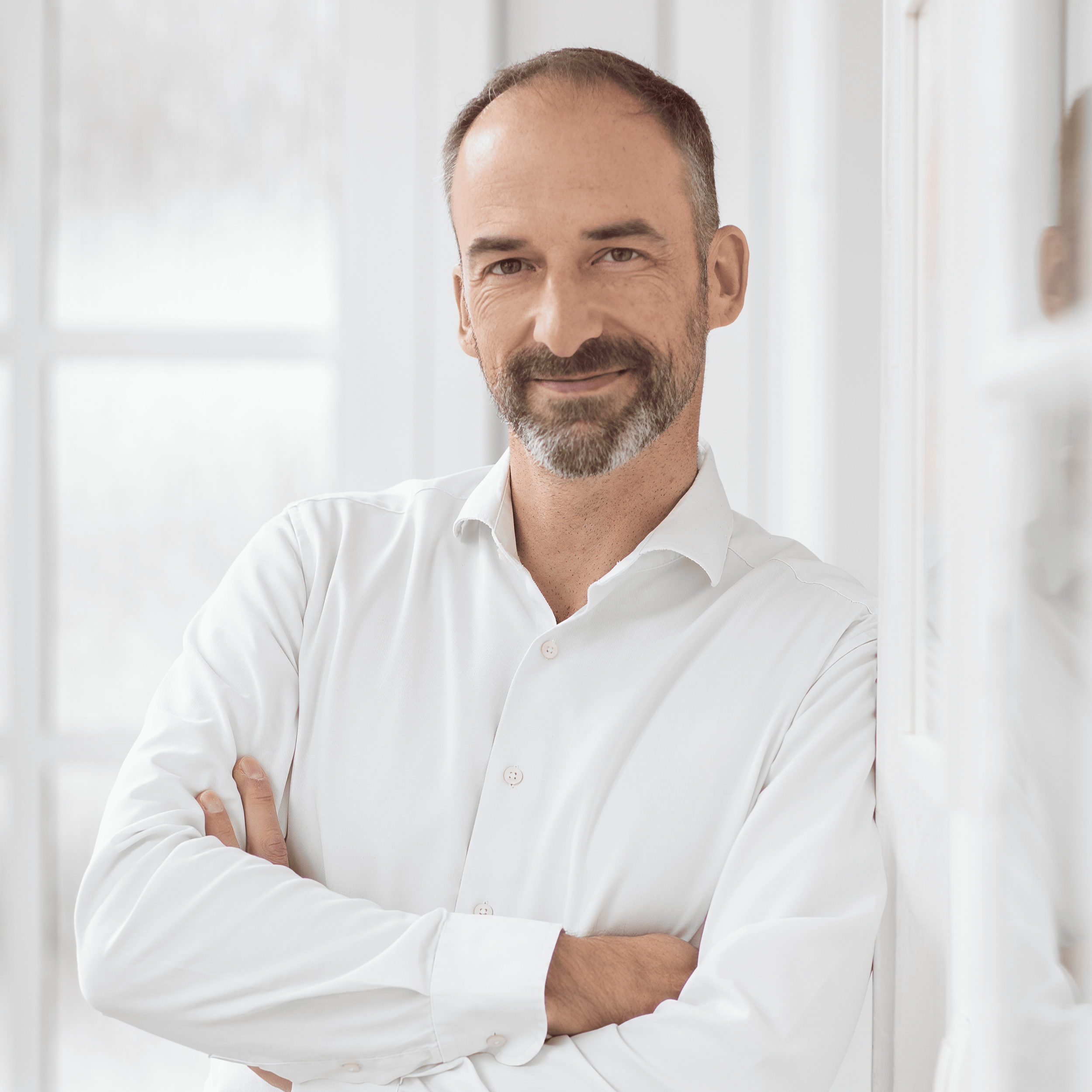
Stefan Sanzenbecker and David Kupfer are organisational development consultants, coaches and trainers, and the founders of “Wildniszone”. For more than 20 years, they have supported companies, organisations and teams through processes of change, focusing on leadership, communication, feedback culture and team development. Their work combines systemic coaching with practical training that consistently addresses the real-life challenges faced by participants. Alongside their work as consultants, they have backgrounds in education and many years of experience in adult learning. For filmKULTUR, they are developing the topic of feedback culture together with drehübung wien, adapting it for the specific needs and working realities of the film industry for the first time.
Fotos: privat
Keynote
17:30-18:00
The Basic Income for the Arts Pilot Scheme in Ireland
(joining online from Ireland)
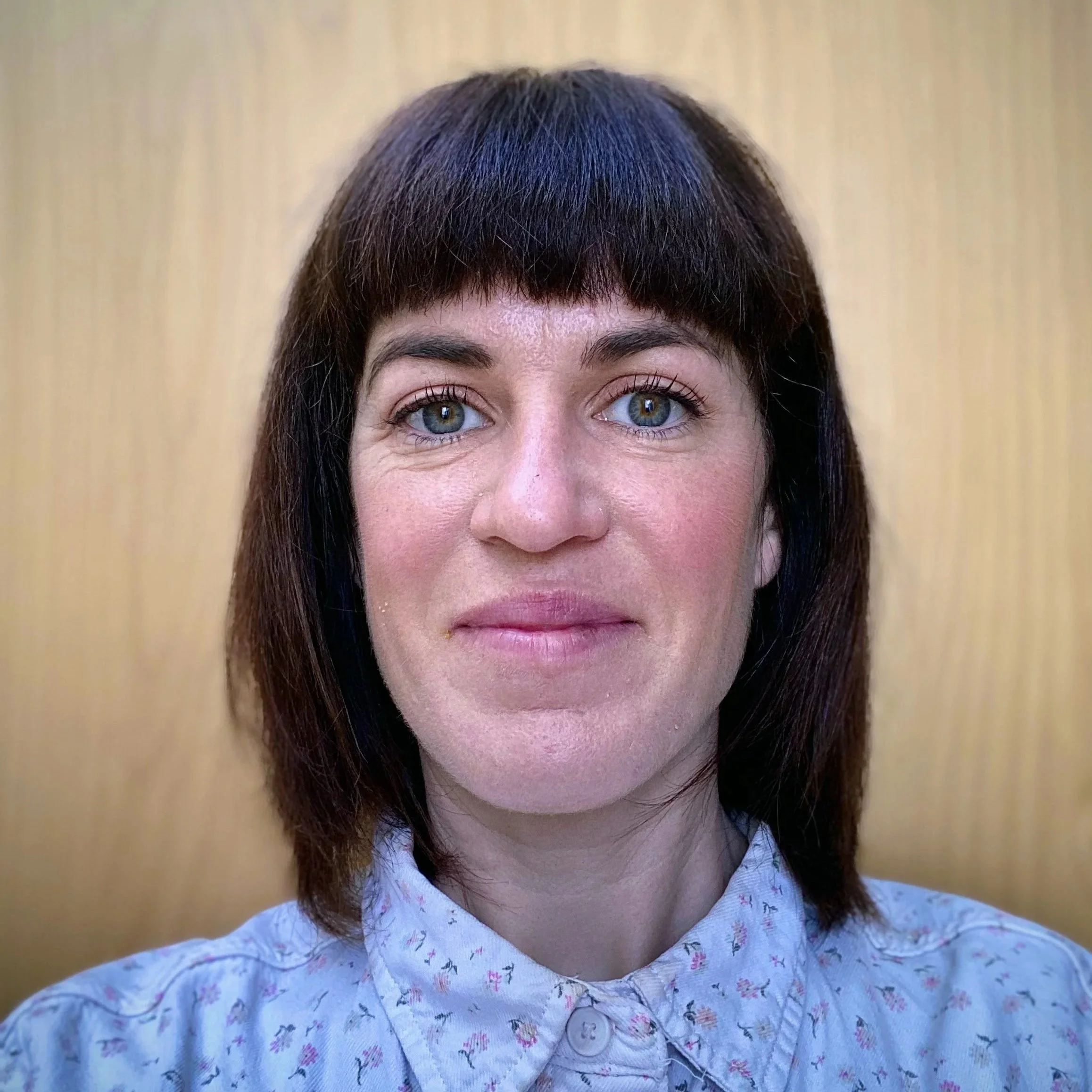
Jenny Dagg is a sociologist and Assistant Lecturer at Maynooth University, Ireland. Her research interests focus on issues of social policy, social inclusion and social justice of marginalised groups with a particular interest in power, agency, and subjectivity. She also has research and teaching interests in qualitative and mixed methods research methodology. Her qualitative and mixed method research at national and international level has explored issues such as the refugee recognition process, social resilience of low income households, immigrant integration, reproductive justice for disabled people, and the basic income for the arts (BIA) pilot scheme in Ireland.
Her current research explores the impact of the BIA on creative labour and the everyday lives of artists. She is International co-lead on Screening Mobility: A UK-Ireland Creative Economy Research Network. She is also a senior expert for the European Disability Expertise. Her expertise has been featured in interviews with leading media, including BBC World Service, Deutsche Welle, The Irish Times, Radio New Zealand, Arte TV, and La Croix.
Foto: privat
Impulse Forum
18:00-19:30
The film industry is changing not only technologically, but also economically and structurally. New ways of producing, streaming services and online platforms are increasingly shaping how films are made and distributed. The use of artificial intelligence is also transforming production processes and working practices. As a result, financing, distribution and the question of who participates in the value created by the industry are shifting as well.
The filmKULTUR forum brings together perspectives from the industry, research, the world of work and academia. Through a series of short talks, guests will share insights into current developments and concrete experiences from their respective fields.
At the heart of the discussion is the question of how work, income and value creation in film are changing – and who will actually benefit from these shifts in the future. AI will not be considered in isolation, but as one of several factors influencing existing models of production and distribution.
A moderated conversation and open discussion with the audience will bring these perspectives together and take the debate further. The aim is to make current developments more accessible, highlight different positions and offer concrete insights for film professionals across the industry.
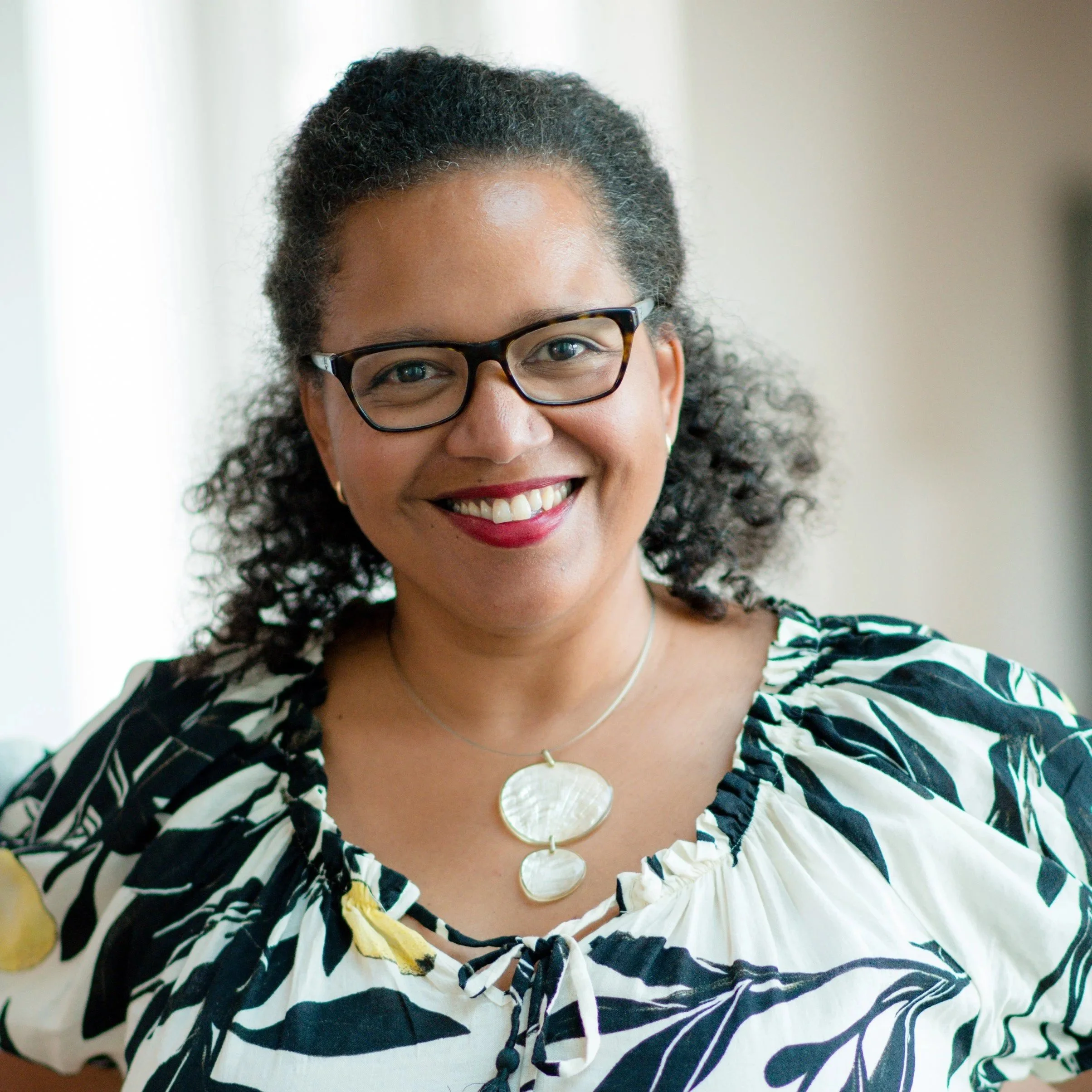
Moderation: Pamela Rath
Pamela Rath is a trained philologist and an expert in occupational and organisational psychology and HR management. She is recognised as one of Austria’s leading HR influencers. She currently works as a diversity manager at ÖAMTC and is also a freelance speaker, trainer and university lecturer at a university of applied sciences. She lives with her family on the outskirts of Vienna. As a person of colour and intersectional feminist, she volunteers in the field of diversity and is part of the #ElevatorTalks podcast series. Her first book was published by Kremayr & Scheriau in May 2025.
Foto: Jenia Symonds
Guests:
-
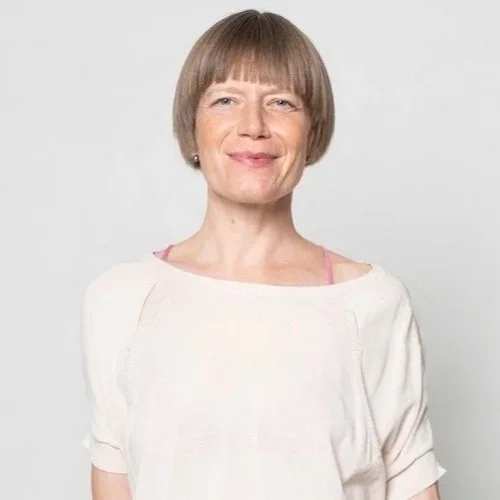
Ingrid Polak
Managing Director, Initiative Urheberrecht Österreich
Ingrid Polak is a qualified lawyer and Managing Director of Initiative Urheberrecht Österreich, where she advocates for fairer remuneration for artists and creators in Austria. Before taking on this role, she spent more than a decade as a legal expert and Head of New Media at AKM, negotiating licensing agreements with online music and film platforms. As part of AKM’s legal department, she also worked on copyright matters relating to musical works and the rights administered by collecting societies.Foto: Laurent Ziegler
-
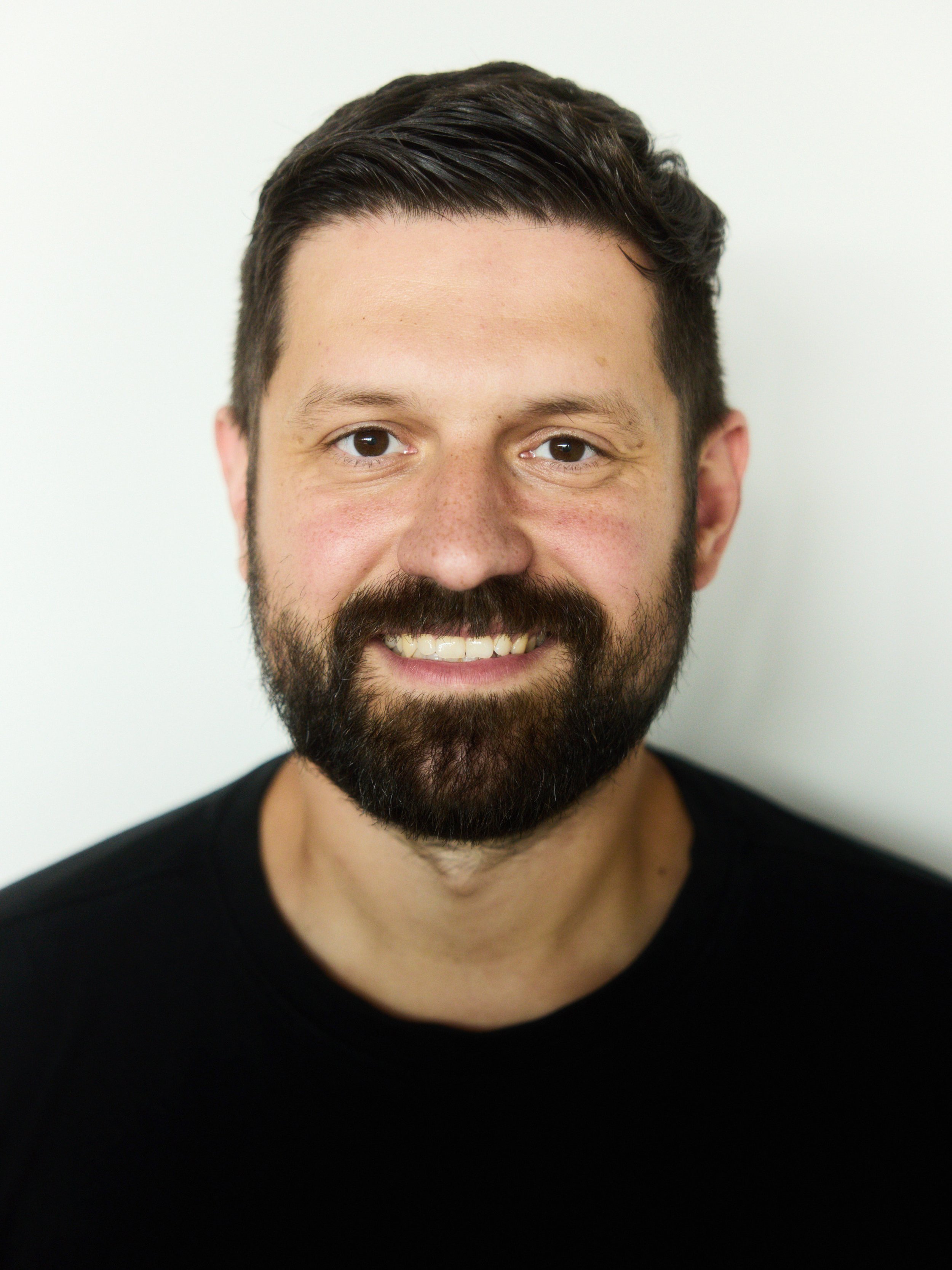
Eric Lehmann
Chief Technology Officer at Constantin Film
Eric Lehmann has been with Constantin Film AG since 2012. During this time, he built up the company’s digital marketing department and professionalised its social media activities. He played a key role in developing successful marketing campaigns for the Fack Ju Göhte films, Resident Evil and the Eberhofer film series. Most recently, as Head of Digital Marketing, he drove the expansion of Constantin Film’s social media presence, growing its TikTok channel to more than 700,000 followers. His extensive experience in the digital sector, combined with his passion for innovation and technology, provides a strong foundation for his role as CTO.
Foto: Julian Baumann für XPLR: MEDIA in Bavaria
-
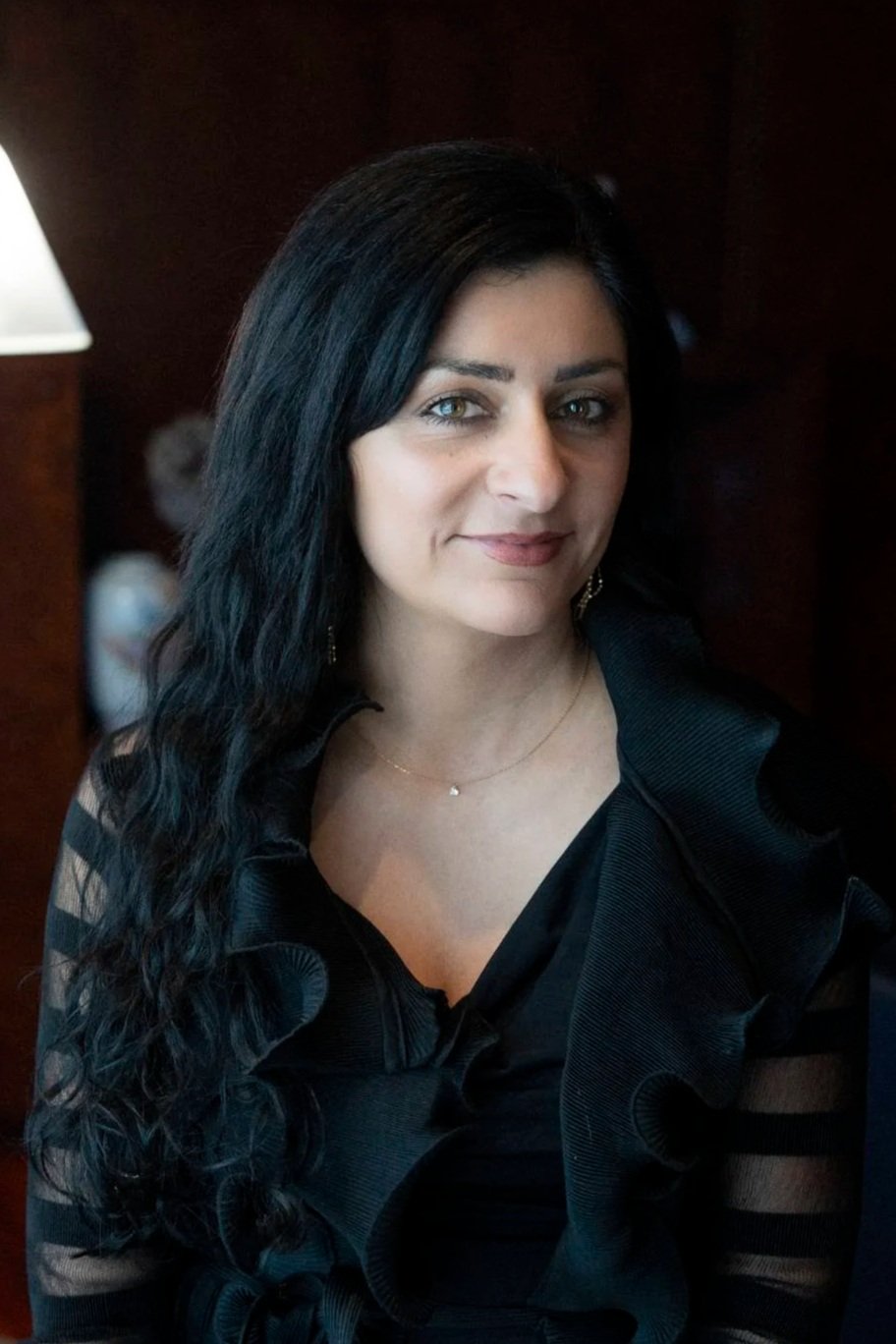
Tyma Kraitt
Adviser, Office of Vice Chancellor Andreas Babler
Tyma Kraitt, born in 1984, studied philosophy in Vienna. She has worked in political adult education, among other fields, and currently serves as an adviser for arts and culture in the office of Vice Chancellor Andreas Babler, with a particular focus on the film sector.
Foto: Frederic Schneider
-
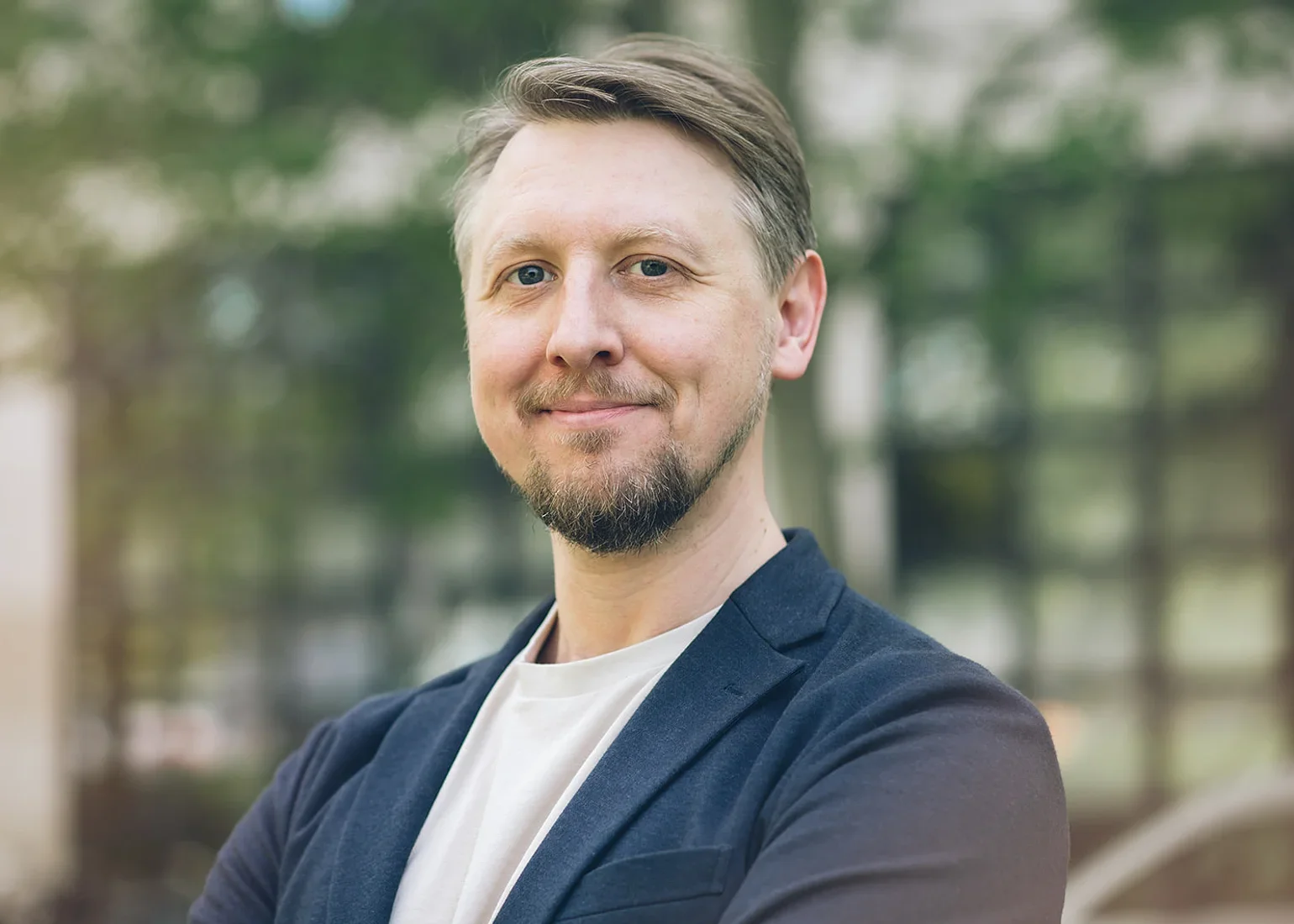
Peter Knees
AI Researcher with a Focus on Digital Humanism
Peter Knees is a professor of Information Processing and Retrieval at the Faculty of Informatics at TU Wien. For two decades, he has been researching at the intersection of artificial intelligence and music, including applications such as music recommendation algorithms. As Scientific Director of the Center for Digital Humanism Vienna and UNESCO Chairholder for Digital Humanism, he focuses on the societal challenges arising from digital transformation, with particular emphasis on the responsible use of AI, digital literacy and a global perspective on these developments.
Foto: Amélie Chapalain / TU Wien Informatics
Statements from the Organisers
Akademie des Österreichischen Films
The Austrian Film Academy is committed to supporting Austrian filmmaking, highlighting its diversity and recognising outstanding achievements through the Austrian Film Award and other initiatives. With more than 700 members from across the film industry, the Academy sees itself as an ambassador for Austrian film.
Film is created through collaboration. At the same time, the question of how value is created, distributed and remunerated within the industry is becoming increasingly important in the face of profound economic, technological and social changes. Who creates the value of a film? Who benefits from it? And how can resources be distributed more fairly?
Under this year’s theme, “Film in Transition: Who Creates Value, Who Benefits?”, the Academy is addressing these key questions together with its partners. Meaningful and sustainable change requires open dialogue, shared knowledge and the commitment of everyone involved.
The Academy is therefore particularly pleased that the filmKULTUR event series, organised in cooperation with the Vienna Chamber of Commerce, the Austrian Film Professionals Association and drehübung wien, is entering its fifth year. Through workshops, working groups and panel discussions, the series explores current challenges facing the industry, brings together different perspectives and develops possible approaches to change. The aim is to raise awareness, initiate processes of change and work together towards a film industry in which value creation and participation are distributed more fairly.
Katharina Albrecht
Managing Director
oesterreichische-filmakademie.at
Österreichischer Dachverband der Filmschaffenden
The Austrian Film Professionals Association represents the interests of film professionals in Austria and serves as their collective voice, while also providing a platform for shared cultural and social policy goals within the film industry.
It represents the interests of its 17 member organisations in relevant decision-making processes and is the official point of contact for policymakers and the public on matters concerning the film industry.
The film industry is facing profound changes. Technological developments, new forms of financing and distribution, streaming and the use of artificial intelligence are transforming the way films are produced and made available to audiences. This raises important questions about the conditions under which film professionals will work in the future and who will benefit from the value created.
filmKULTUR creates space for an exchange on these developments, exploring how streaming, online platforms and new production technologies are reshaping the value chain, and how artificial intelligence is affecting workflows, professional roles and financing.
Together with the Austrian Film Academy, drehübung wien and the Vienna Chamber of Commerce, we are creating a lively forum for knowledge sharing, discussion and new perspectives through workshops and panel discussions.
Zora Bachmann
Managing Director
filmschaffende.at
drehübung wien
For ten years, drehübung wien has supported film professionals in Austria through continuing education formats that address current developments and challenges in the industry. We create spaces for exchange, reflection and practical knowledge, and aim to support film professionals in actively shaping their work and working conditions.
This year’s filmKULTUR programme is titled “Film in Transition: Who Creates Value, Who Benefits?” and focuses on new production realities in the age of streaming and artificial intelligence. Technological change is meeting rising cost pressures, shifting financing models and increasing industry concentration. This makes it all the more important to engage closely with these developments, understand their impact on our work and explore new ways of responding together. It is also worth looking beyond our own borders: Which models and strategies are already working in other countries, and what can we learn from them in Austria?
filmKULTUR 2026 combines practical workshops with an evening Impulse Forum. Together with our long-standing cooperation partners, who have shaped filmKULTUR with us from the beginning, we bring together experts from film production, technology, research and professional associations to contribute different perspectives and discuss how work and value creation are changing. We want to do more than simply observe these developments: we want to share knowledge and experience, question existing structures and explore new models and approaches that will enable film professionals to continue working creatively, independently and on a financially sustainable basis in the future.
Katharina Haudum and Lukas Strasser
Programme Directors
drehuebung.wien
Fachvertretung Wien Film- und Musikwirtschaft
As the professional association, we represent more than 3,700 professionals working in film and music. We aim to actively engage with our members, listen to their concerns and represent them publicly – advocating for change in politics and public administration, with a particular focus on gender equality, diversity and sustainability.
Our industry is currently experiencing disruptive upheaval driven by AI, cost-cutting measures, declining commissions and job losses. At the same time, increasing monopolisation in the media sector appears to be making critical reporting more difficult. These developments affect all of us as an industry and raise an essential question: What conditions do we need in order to work creatively while remaining independent both editorially and economically?
filmKULTUR provides a shared space where, now in its fifth year, cultural workers, employers and employees come together to reflect on the future and discuss these questions collectively.
Our society is organised around work, which means work must also be at the centre of finding solutions. The cultural sector is at the forefront of technological transformation, which will affect all industries – while also creating new possibilities. That is why we want to initiate a broad debate without limiting the scope of discussion: How can we safeguard democracy and freedom of expression? Should we introduce a digital tax, reduce the financial burden on work, or consider a basic income? We need to rethink the parameters quickly so that they serve people, small businesses and one-person enterprises – and not just a handful of tech giants.
Claudia Wohlgenannt and Martin Kofler
Chair and Managing Director
fimuwien.at
Supporters


